How Termites Find Ways Into Wood
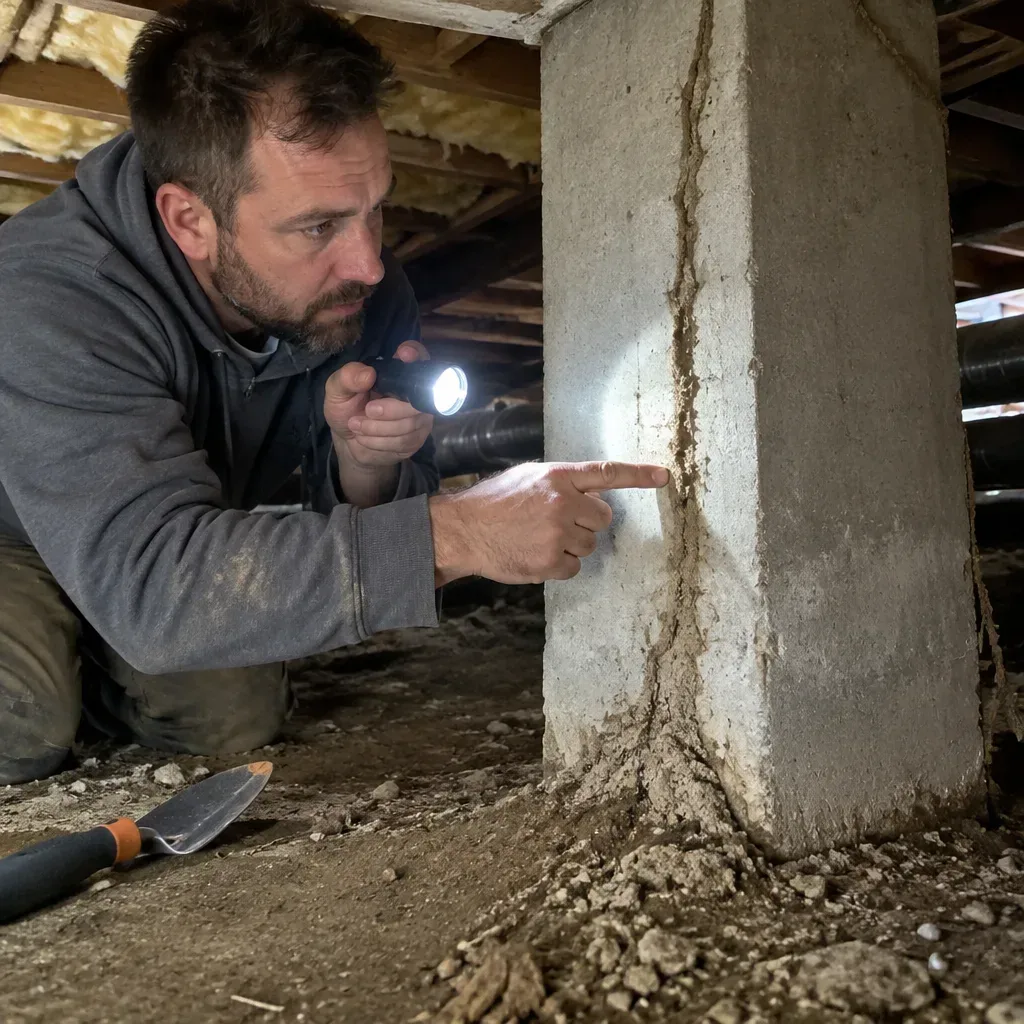
Rio Rancho homes span different construction periods; city history places the start of homebuilding in 1962. In any crawl space, wood close to soil can give subterranean termites a concealed route upward. The age of a house alone does not confirm activity, but hidden contact points deserve attention when signs appear.
Around Cabezon Park and Haynes Park, the same property-level factors matter as elsewhere in Rio Rancho: soil touching wood, damp framing, or blocked access can support activity or hide it. A dry regional climate does not rule termites out. The useful next step is to inspect the conditions at the house itself.
Calls about possible termites may involve homes in Rio Rancho and throughout Sandoval, but a general location does not settle whether service is available. Share the street address with the pros we connect you with so they can confirm whether that property falls within their service area.
Choosing a Treatment Approach
- Access
- Subterranean termites can reach crawl-space wood through concealed contact between soil and structural material.
- Moisture
- A crawl-space inspection may be limited when access is blocked, unsafe, or too tight to reach framing.
- Treatment
- Mud tubes, damaged wood, and discarded wings point to different clues; none alone defines the full extent.
- Wood
- Moisture near framing and wood touching soil are conditions an inspector may note for attention.
- Follow-up
- A treatment plan should state which crawl-space areas it covers and whether monitoring or repair is separate.
- TREATMENT
- Seasonal warmth can bring termite swarmers into view, while cooler periods may make activity less noticeable. Moisture changes after rain or plumbing leaks can also alter crawl-space conditions. A quiet season does not establish that activity has ended; report earlier signs during inspection.
- Damage repair
- an estimated $600–$1,800
What Discarded Wings Can Reveal
Wood rot can also leave crawl-space framing soft or damaged, so it may be mistaken for termite feeding. Moisture history, tubes, and the pattern of damage help distinguish the causes; a professional should assess the material before treatment or repair is planned. Wood rot can soften crawl-space framing and resemble termite damage. Rot often follows persistently damp wood, while termite signs may include soil tubes or concealed galleries; appearance alone cannot settle the cause. Photograph the area and have an independent professional assess it before arranging treatment or repair.
What Bait Station Monitoring Involves
The professional first checks reachable crawl-space framing, foundation edges, and entry points, noting blocked areas and moisture or ventilation concerns. Those findings shape the work plan. If activity is confirmed, treatment is applied to the relevant areas as directed by the product label. Any weakened framing is assessed separately, and repair work is described in the written scope if included.
Once the activity and affected areas are documented, the provider explains any preparation, treatment boundaries, and monitoring schedule. A bait plan requires accessible stations and later checks; a liquid approach establishes treated zones where appropriate. If framing appears weakened, treatment does not itself restore its strength, so the owner may need a separate repair evaluation.
When inspection finds no activity needing continued checks, a one-time assessment may be all the owner needs. If a plan relies on bait stations, those stations need periodic monitoring. Ask how often checks are planned, what they assess, and whether the findings could change the plan.
WHEN A TERMITE INSPECTION ENDS AND MONITORING BEGINS
| Follow-Up Plan |
Treatment Depends on Findings |
|---|
| A faint sign flagged for inspection | Activity monitoring |
| Termite signs return after treatment | station monitoring |
| Activity showing beyond one spot in the house | Treatment finished; monitoring choices reviewed |
Leave Suspected Activity Undisturbed
From outside the access opening, note damp areas, standing water, wood near soil, visible tubes, or debris, and take photos without entering a tight or unstable space. Keep the access clear for a professional. Do not spray suspected activity, pull apart wood, or move bait stations. Stop if you see damaged supports or cannot inspect safely.
Structural Concerns From Termite Damage
Termites are not known for biting people, but concealed damage can weaken crawl-space framing and create a structural concern. Do not enter a tight, unstable, or poorly ventilated space to investigate. Keep children and pets away from exposed activity and treatment areas, and ask the provider what access restrictions apply. Have visibly damaged supports assessed before relying on them.
What Shapes the Cost of Termite Control?
Have the pros we connect you with inspect the property and outline the work; request a written quote based on findings and treatment scope.The guide range is a starting point for inspection and treatment work; it does not settle charges for access limits, areas, monitoring, reporting, or wood repair. Ask the licensed pros we connect you with to note any wood repair separately from inspection and treatment work.Find full termite cost bands in the pricing guide; the Subterranean Termite Treatment explains inspection findings, treatment planning, and ongoing monitoring.