Apartments & HOAs
Apartments & HOAs
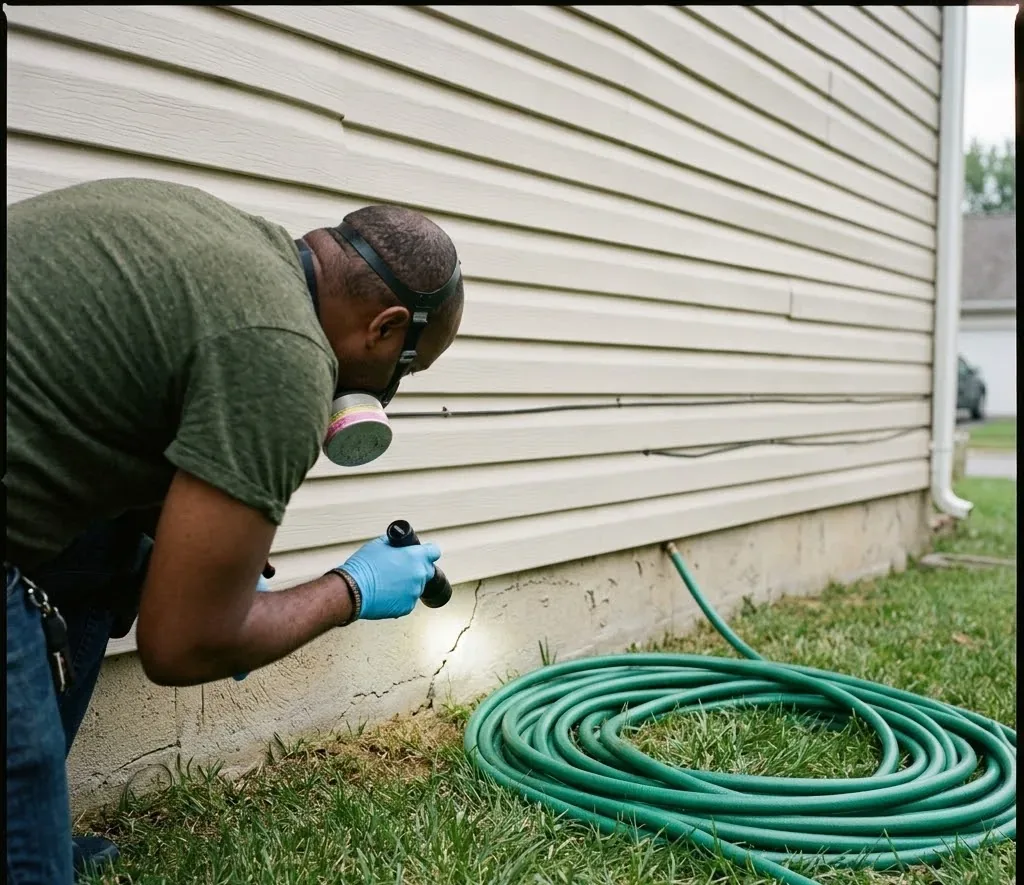
Plan hotel termite control around clear records, coordinated access, and guest needs.
Hotels can coordinate termite control by sharing a property map, occupancy limits, access rules, and prior records with the provider. Assign one staff contact, plan room and common-area access with housekeeping, and keep written findings and follow-up notes together.
Keep guests away from suspected termite activity and leave the area undisturbed until it can be assessed. For hotel termite control in Rio Rancho, start with a property map that marks guest rooms, shared spaces, service corridors, and access limits. Tie each concern to its exact building and room or common-area label; a note that says only “north wing” can send staff to the wrong place. Prior inspection and treatment records give the pros we connect you with context for a coordinated assessment, while housekeeping and maintenance can help arrange access discreetly.
Hotel termite control works best when access is planned around occupancy and records follow the building, not just the room. Before the pros we connect you with visit, the manager can assemble a floor plan, mark guest rooms and shared spaces, note housekeeping and maintenance windows, and flag rooms that cannot be entered. In Rio Rancho, a site map can use Top Form Arena, Corrales Park, or the Rio Grande as broad orientation points while keeping room-level details private. Prior reports and work orders help hospitality termite treatment account for earlier findings without assuming a method in advance.
Termite species can differ in where activity appears and which signs staff notice, giving hotel teams more than one pattern to compare. Those different habits matter when staff compare observations across a hotel. In Rio Rancho, the pros we connect you with can use the property’s records and inspection findings to explain what the evidence supports and what remains uncertain. Keep room numbers, dates, and staff observations together; a precise record helps operations coordinate access if more evaluation or treatment is recommended.
Make access planning part of the record. A room list can identify occupied rooms, rooms due to turn over, restricted spaces, and the staff member who can arrange entry. In Rio Rancho, a hotel can group access by wing or floor and update the map when occupancy changes. This gives housekeeping and the front desk a shared reference, reducing last-minute interruptions. The provider can then discuss which areas need attention and what guest notices or room moves may be appropriate for the recommended work.
Common areas need their own access notes because their schedules differ from guest rooms. Mark service corridors, storage spaces, meeting areas, and other shared locations on the property map, then note when staff can provide entry with minimal disruption. For a Rio Rancho hotel, the map might use Osuna Park as a reference point to distinguish a property from another site in the operator’s records. Keep the landmark for orientation only; inspection findings should identify the actual building and area assessed.
| Site | Access | Records |
|---|---|---|
| Site tags | Rio Rancho property | Separate Corrales or Bernalillo records |
| Area map | Room and common-area labels | Match findings to locations |
| Access notes | Occupied or restricted rooms | Coordinate entry with the front desk |
| Staff handoff | Housekeeping and maintenance contacts | Keep access instructions consistent |
| Guest impact | Areas guests may encounter | Plan clear staff communication |
| Condition log | Moisture or wood-to-ground contact | Track concerns for attention |
| Findings report | Observed activity and visible damage | Note which areas were inspected |
| Follow-up record | Work completed and monitoring notes | Keep next steps tied to findings |
A report is useful when it connects each observation to a location. A consistent reporting process gives staff a shared way to pass concerns from one shift to the next. In Rio Rancho, record the room or area, the date staff noticed the sign, and whether access was available. Avoid removing or covering suspected evidence before the provider can assess it. That account helps the hotel compare later findings with the original observation and decide what follow-up belongs on the property schedule.
A building-wide record should show the limits of the assessment as plainly as its findings. If a guest room could not be accessed, or a storage area was unavailable, staff should be able to see that in the file. In Rio Rancho, this prevents an uninspected space from being mistaken for a space with no reported concern. Keep the map, inspection report, and access notes together, so the operations team can arrange a focused return visit if the provider identifies a need for more evaluation.
A useful record lets the next person understand what was checked, what was found, and what still needs attention. Ask that the report identify inspected areas and note any access restrictions, visible damage, and conditions flagged for attention. Keep it with the property map and prior service documents, then share the relevant file with the staff member coordinating follow-up. For a hotel in Rio Rancho, this makes it easier to compare later notes against the same room labels and building layout without relying on memory or guest reports alone.
Housekeeping and maintenance need one communication path for room access and new observations. Staff should pass along the location and details without disturbing suspected activity, then record who received the note and when. In Rio Rancho, a shared log can prevent duplicate requests to guests and help managers coordinate room status with the front desk. The report remains the reference for inspected findings; staff notes add operational context, such as a blocked service entry or a room unavailable during the assessment.
Use a site map that works for people who do not know the property by room number alone. Mark wings, shared spaces, utility areas, and entrances, then keep the map version with the corresponding report. For a Rio Rancho operator tracking more than one property, Hartnett Park can serve as an outside orientation label in internal records. The provider’s report should still name the inspected property and specific areas, so a location reference never substitutes for a clear finding or sends staff to the wrong building.
Assign one hotel contact to maintain the site log and route new observations to the appropriate staff. Housekeeping may notice a change in a room; maintenance may spot one near a shared wall or service area. Record the date, exact location, and who received the report, then link it to the property's existing file. A consistent record helps the pros we connect you with compare findings across the Rio Rancho building and any separate Albuquerque Westside property without blending the two histories.
Before work is scheduled, review the agreement for the areas included, how new concerns should be reported, and what follow-up visits cover. Confirm how the hotel will receive visit notes and who can approve access if room assignments change. If monitoring equipment is included, staff need to know where it sits and how to keep those points reachable; moving equipment can disrupt the record. Clear terms let a Rio Rancho manager plan around guest stays and keep the file useful for the next service decision.
A simple status record helps a manager see whether each area is awaiting access, assessed, under treatment, or due for follow-up. Use the provider’s report to support those entries, and keep dates and room or area identifiers consistent. For a Rio Rancho property, that trail can help a new manager understand prior findings without relying on hallway conversations. It also lets housekeeping and maintenance coordinate around documented needs while the front desk manages guest impact. Do not mark a concern resolved until the provider’s findings support that status.
For a coordinated assessment, gather the floor plan, room-access limits, occupancy considerations, and earlier inspection or treatment documents. Mark areas that housekeeping or maintenance cannot open without notice, and name the staff contact who can arrange entry. If the hotel group also tracks an Albuquerque property near Civic Plaza, keep that file separate and label each document by site. The pros we connect you with can use the Rio Rancho information to discuss a visit plan and explain what records should be added afterward.
In Rio Rancho, hotel termite control works best when findings, access, and follow-up are recorded together. A property map can show guest rooms, service areas, and shared spaces; the report can then tie observations to locations staff can find again. Keep prior records with the map, and note occupancy limits or housekeeping schedules that affect access. Local reference points such as Cabezon Park, Haynes Park, and The HUB can help orient an area map, while room numbers and building labels guide work inside the property.
Start with the property's location when seeking termite help; the links identify communities to discuss with the pros we connect you with when checking coverage, includingBernalillo, Los Ranchos de Albuquerque and Rio Rancho. Ask how travel is handled for the address and whether an inspection visit has a separate charge before scheduling.
A warehouse, shop, or office is generally priced by visit, with the building’s size and how often it needs service affecting the quote. Use $75–$250 as an inspection-cost guide. Site access, inspection findings, treatment scope, and any planned monitoring can shift the final estimate.Commercial cost turns on the building’s size, foundation, access, and areas included; those details change treatment materials, monitoring needs, and total. When calling about a Rio Rancho site near Osuna Park, describe its use, construction, known activity, and access limits so the pros we connect you with can scope it.Find every termite service band in the pricing guide; the commercial overview explains how scheduled commercial programs are arranged.
Apartments & HOAs
Restaurant Termite Control
School Termite Control
Set one contact for the pros we connect you with, then share a current property map, occupancy limits, and room-access rules. In Rio Rancho, hotel termite control can be coordinated around housekeeping and guest movement when staff agree on which areas need access and how updates will be recorded. Ask for findings tied to specific rooms or common areas, plus a written follow-up plan, so operations staff can track work without relying on informal handoffs.
Keep the written report with the property map and note which rooms, common areas, and accessible building sections were reviewed. Staff can flag questions about the findings before the provider prepares a treatment scope. For a Rio Rancho hotel, this record helps facilities staff compare future observations with earlier findings and share a consistent account with housekeeping, maintenance, and the provider.
Assign a staff contact to coordinate room access with housekeeping and the front desk. Group rooms by availability and flag spaces that cannot be entered, then have the provider record where access was completed or deferred. This gives the hotel a usable account of coverage across the property. If a room is occupied or access changes, staff can update the plan without treating an unvisited area as checked.
Keep suspected activity undisturbed when practical, note its exact location, and pass that information to the provider. Do not move monitoring stations or cover an area before checking the service plan. The property contact can log the observation, guest or staff access limits, and any related maintenance note, then retain the provider's written findings with earlier records for follow-up.
Prepare the hotel map, access limits, occupancy notes, and prior records before arranging a coordinated assessment in Rio Rancho.
Call (505) 398-8170