Why Termites Build Shelter Tubes
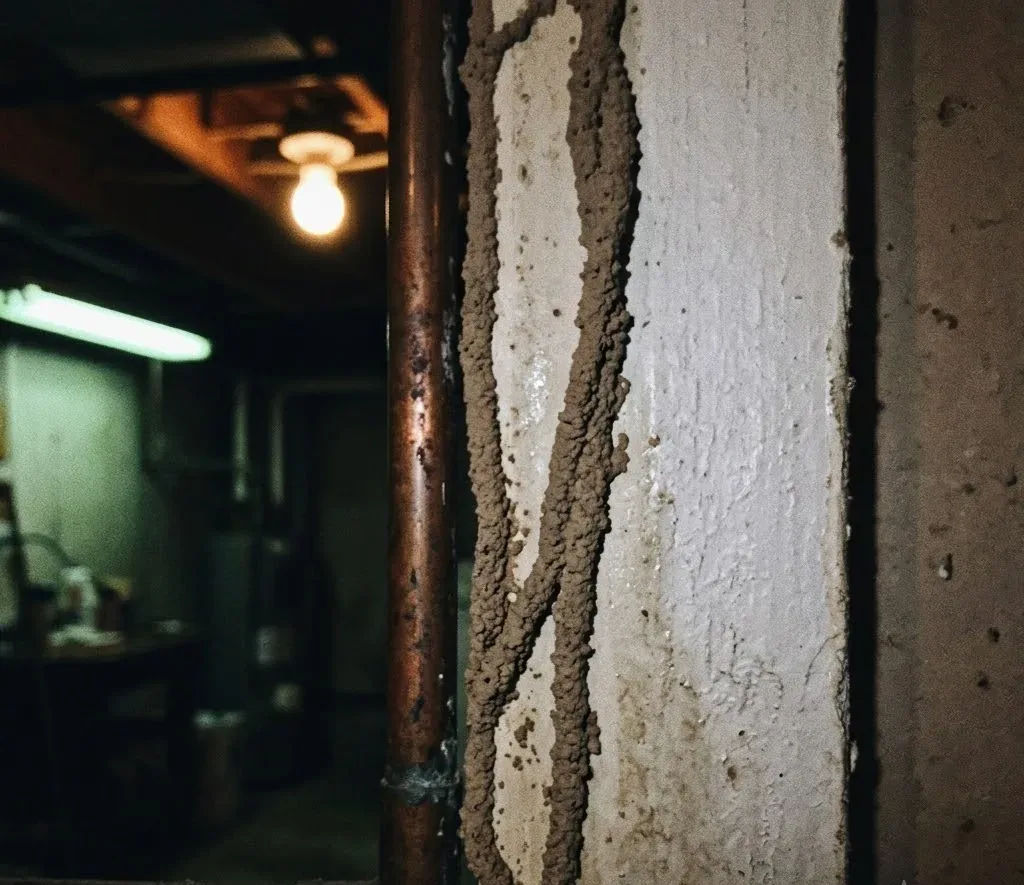
Termite mud tubes are narrow coverings made from soil and other material, giving subterranean termites a sheltered route between ground and wood. Their presence can mean termites have traveled there, but an old or broken tube alone cannot show whether insects remain or how far they reached. In Rio Rancho, an owner might notice one at a foundation seam, beside a utility entry, or where a porch meets the house, including homes near Cabezon Park or Haynes Park. Leave it intact; do not scrape or open it before documenting the spot.
Termite mud tubes are narrow, covered trails made of soil and other material, often seen running over a foundation or near a point where the structure meets the ground. A homeowner near Cabezon Park might notice one at a foundation edge, while another may spot a short section beside an entry point. Rio Rancho homes differ, and a tube’s shape or position cannot establish the condition of hidden areas. The useful details are where it begins and ends, what surface it follows, and whether it appears connected to soil or wood.
Where Tubes Appear and How They Look
The location can help explain what a tube may indicate. A path rising from soil toward wood fits the way subterranean termites can reach a structure, including through concealed wood-to-soil contact. In Rio Rancho, a tube along a foundation near Haynes Park would still be a clue, not proof of an active infestation. The same visible trail cannot show whether termites remain inside it, whether it continues behind a surface, or how much of the building it reaches. Those questions need an on-site assessment.
A tube’s absence from one visible stretch does not settle what lies behind a wall or other concealed area. Nor does a tube by itself identify the full source or extent of activity. At a home near The HUB, for example, a homeowner can record the exact place the tube appears without treating the neighborhood or the house as evidence of a problem. In Rio Rancho, property conditions vary; an independent local pro can assess whether the observed tube warrants closer evaluation.
What a Tube Can Establish
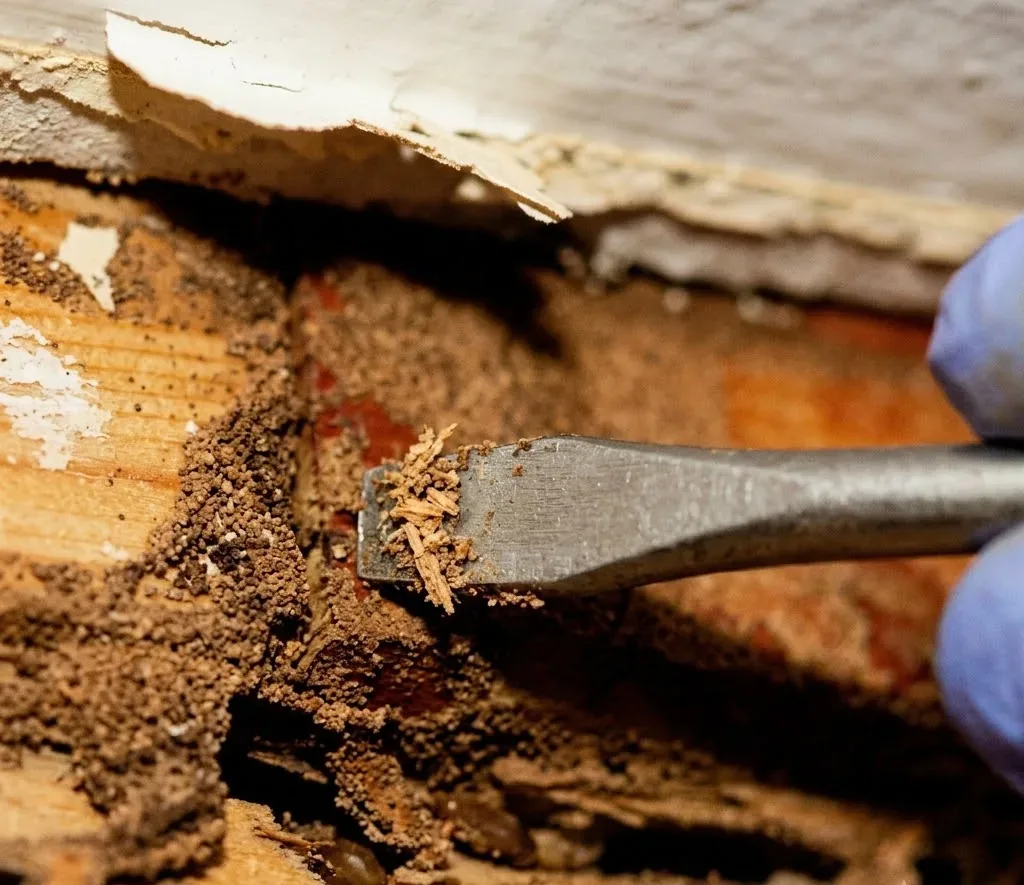
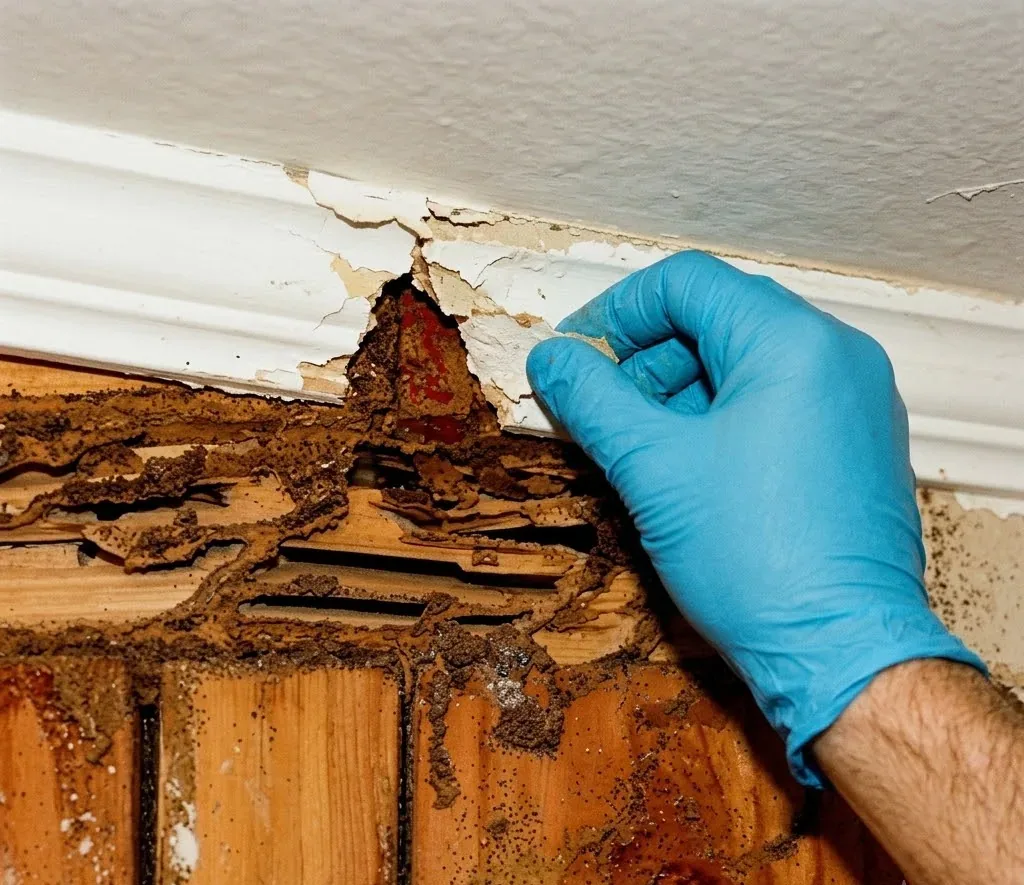
Do not scrape, break, paint over, or otherwise alter a suspected tube before it has been documented and discussed with a pro. Disturbing it can remove the visible evidence that helps explain its route and condition. A homeowner in Rio Rancho can photograph the tube from a few angles, include a wider view showing its position on the foundation, and keep the original images. Stop there. The purpose is to preserve what is visible, not to test for activity or expose what may be behind it.
A tube records a route at that spot; it does not by itself confirm current termite presence, show the full extent of activity, or prove damage behind a wall. In Rio Rancho, photograph it where it sits, then note which wall or foundation side it is on, any nearby doorway or pipe, and whether it looks whole, cracked, or vacant. Homes near The HUB or Rio Rancho Aquatic Center merit the same careful record. Keep the images and notes, then ask a termite professional separate from the original concern whether an inspection should come before anyone changes the tube.
How to Document a Suspected Tube
A professional can consider the tube alongside the accessible areas, visible activity, and property conditions found during an inspection. That assessment matters because a foundation trail is only one observation; it cannot establish the full situation on its own. For a Rio Rancho homeowner, the practical next step is to ask an independent local pro whether the photographed tube warrants an inspection, then provide the location notes. A clear photo can help a pro understand where the tube sits before discussing what to do next.
The key decision is simple: preserve the clue, record where it is, and get advice before altering it. A tube on a Rio Rancho foundation may indicate subterranean termites, but what would an inspection find at that exact location? Does the path appear to connect soil and wood, or is its route unclear? Those are useful questions to take to an independent local pro. Until then, the photograph and location note give the owner a clear record without disturbing the suspected activity.
Dealing with termite signs at your home?
Leave suspected activity intact; do not pry, scrape, or spray it. Keep the area open for inspection, and note anything you cannot safely access. Inspection notes should describe the feature, not rely on a landmark: a homeowner near Edgewood/Osuna Park might mark a tube at a foundation seam; near Hartnett Park, wings at a window; near the Nature Center, wood touching soil. Ask whether the inspection will include nearby areas beyond the spot where the sign appeared. Request written findings and discuss any proposed treatment before deciding.